

Whatsapp/Wechat:+86 13676922906


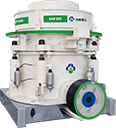
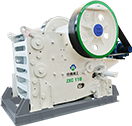
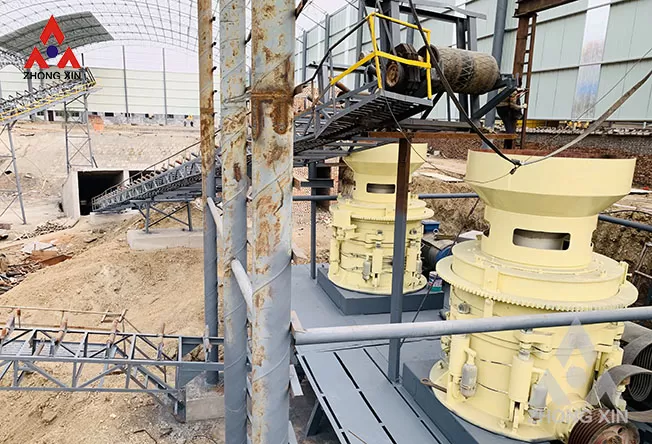
Regular maintenance is critical for ensuring the longevity and efficiency of stone production lines. The first component requiring attention is the primary crushing equipment. Daily inspections should focus on wear parts such as jaw plates, mantles, and concaves. Replacing these components at recommended intervals prevents unexpected breakdowns and maintains consistent output size. Lubrication points must be cleaned and refilled according to manufacturer specifications, using high-quality grease or oil suitable for heavy-load operations.
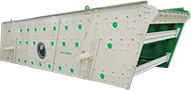
Screening machinery requires meticulous attention to mesh integrity and vibration mechanisms. Operators should daily examine tensioning systems on vibrating screens, checking for loose bolts or worn rubber mounts that could compromise separation efficiency. Accumulated fines blocking apertures reduce throughput capacity by up to 30%, necessitating regular air-purge cleaning routines during production breaks. Balancing counterweights monthly ensures optimal amplitude settings for different aggregate sizes.
Conveyor systems form the circulatory network of processing plants. Key maintenance priorities include tracking adjustments to prevent material spillage, along with periodic roller replacement when bearings develop play. Belt splices warrant particular scrutiny - any fraying or delamination demands immediate repair before failure occurs. Installing impact beds beneath loading zones significantly extends belt life by absorbing kinetic energy from falling rocks.
Dust management systems require proactive intervention. Inspect baghouse filters weekly, replacing elements when pressure differentials exceed manufacturer thresholds. Water spray nozzles in crushing chambers should be checked daily for clogging, while enclosed transfer points need consistent seal integrity verification. Modern pulse-jet systems can capture over 99% of airborne particulates when properly maintained.
Electrical controls benefit from scheduled diagnostics. Thermal imaging scans of motor starters and variable frequency drives identify hotspots before failures occur. Calibration checks on load cells ensure accurate weight measurements throughout the process chain. PLC program backups should be updated quarterly to prevent data corruption.
Preventive maintenance scheduling transforms reactive repairs into planned interventions. Digital logbooks tracking operating hours enable predictive replacement of components like hammers in impact crushers. Stocking critical spares reduces emergency ordering delays. Quarterly audits verify adherence to maintenance protocols while identifying improvement opportunities.
Effective lubrication practices extend beyond simple replenishment. Analyzing used oil samples reveals metal particle concentrations indicating abnormal wear patterns. Grease purging systems remove contaminated residues from bearing housings. Temperature monitoring devices alert operators to overheating conditions before damage occurs.
Safety considerations permeate all maintenance activities. Lockout-tagout procedures must be strictly enforced during servicing. Personal protective equipment including respirators, ear defenders, and steel-toe boots are mandatory. Training programs emphasize hazard recognition specific to stone processing environments.
Implementing these comprehensive maintenance strategies typically yields 25-40% reductions in unplanned downtime. Consistent record-keeping provides data for continuous improvement initiatives. When integrated systematically, these practices maximize return on investment by extending equipment service life and optimizing product quality consistency.
 Online Ordering
Please complete the form below with your contact information and product requirements. We will get in touch with you as soon as possible—thank you for your cooperation!
Chinese Website: www.jzzxzg.com
English Website: www.zxcrusher.com
España Website: www.zxcrusher.es
Русский Website: www.zxcrusher.ru


Please complete the form below with your contact information and product requirements. We will get in touch with you as soon as possible.
 WhatsApp
 Wechat


